In a vast and ever-evolving digital landscape, a website’s success often hinges on its ability to guide users seamlessly through its content while simultaneously signalling its importance to search engines. While external backlinks often grab the spotlight, the often-underestimated power of internal linking plays an equally crucial role in achieving these objectives. A well-constructed internal linkage strategy can transform a disparate collection of web pages into a cohesive, user-friendly, and search engine-optimized digital asset. Ignoring this fundamental aspect of website architecture is akin to building a magnificent library without a functioning catalogue—valuable resources exist, but finding them becomes an arduous, often fruitless, task.
Contents
- 1 Understanding the Importance of Internal Linking
- 2 Boosting SEO with Strategic Internal Linking
- 3 Best Practices for Implementing Internal Links
- 4 Leveraging Internal Linking for Content Promotion
- 5 Measuring the Impact of Internal Linking on Website Performance
- 6 Overcoming Common Internal Linking Challenges
Understanding the Importance of Internal Linking
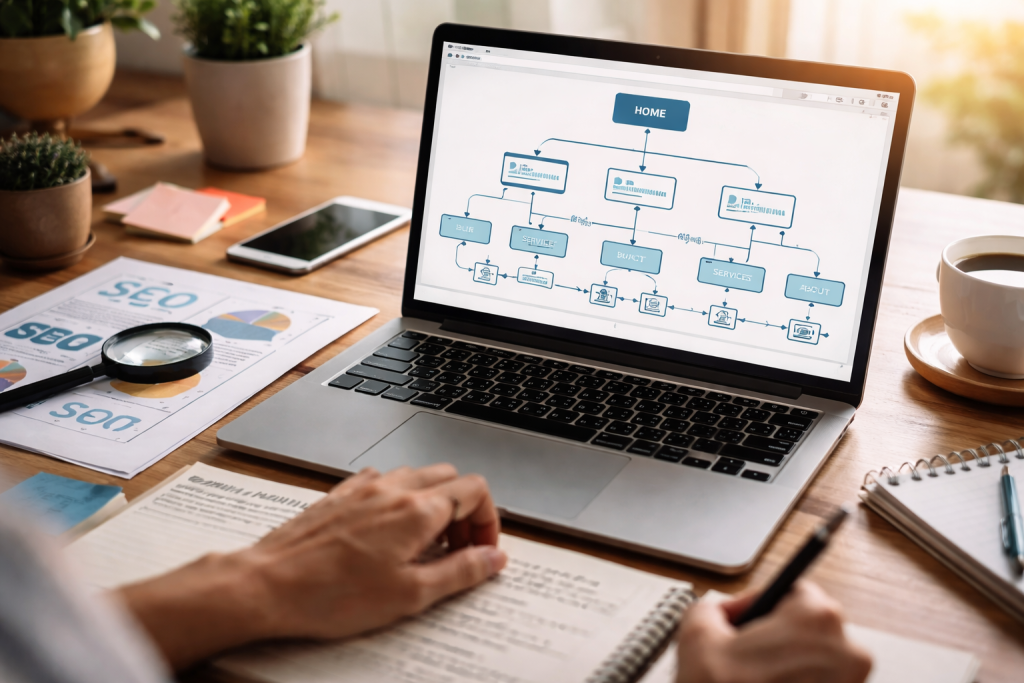
Internal linking is more than just scattering links across your website; it’s about creating a logical and intuitive network that connects related content. Think of your website as a city, and internal links as the roads and pathways that connect different neighbourhoods, businesses, and attractions. Without these internal connections, visitors would rapidly lose their way, unable to explore the complete range of your city’s offerings. This foundational element impacts both how users interact with your content and how search engine bots crawl and understand your site’s structure.
Guiding User Journeys and Discoverability
At its core, internal linking exists to enhance the user experience. When users land on a specific page, relevant internal links provide them with immediate pathways to explore related topics, study certain concepts, or discover complementary information. This prevents bounce rates by offering continuous engagement and creating an atmosphere that encourages exploration. Imagine reading an article about “healthy breakfast recipes” and finding a link within the text to “the benefits of intermittent fasting” or “how to meal prep for the week”. These logical connections keep the user on your site longer, increasing their opportunity to interact with more of your content and ultimately achieve their goals.
Establishing Website Hierarchy and Topic Authority
Internal links act as strong signals to search engines about the hierarchical structure and thematic relationships within your website. By consistently linking from less important pages to more important “pillar” or “cornerstone” content, you communicate to crawlers which pages hold the most authority and are central to specific topics. This “link juice” (PageRank) flows through your internal links, distributing authority and helping search engines understand the thematic depth and breadth of your website. A robust internal link structure effectively creates a content ecosystem where each piece supports and strengthens the others, ultimately boosting the perceived authority of your site as a whole.
Boosting SEO with Strategic Internal Linking
While user experience is paramount, the impact of internal linking on search engine optimisation is undeniable. Strategic internal linking is a powerful, yet often underutilised, tool in any SEO professional’s arsenal. By meticulously crafting your internal link structure, you can significantly improve your website’s visibility and organic search performance.
Enhancing Crawlability and Indexing
Search engine bots, like Googlebot, navigate websites by following links. A well-structured internal linking profile ensures that these bots can efficiently crawl and discover all pages on your site, even those that might not receive external backlinks. If a page has no internal links pointing to it, it runs the risk of becoming an “orphan page”, effectively invisible to search engines. This can lead to important content not being indexed, thereby losing out on potential organic traffic. A comprehensive internal linking strategy ensures that all valuable content on your site is discoverable and hence, indexable.
Distributing PageRank and Authority
As mentioned earlier, internal links are crucial for distributing PageRank—Google’s algorithm for measuring the importance of web pages—throughout your website. When a high-authority page links to a less authoritative but relevant page, some of that authority is passed along. This can significantly boost the ranking potential of those linked pages, especially for long-tail keywords or niche topics that might struggle to attract external backlinks. By judiciously linking from your highest-performing pages to your target pages, you’re essentially lending them some of your website’s cumulative authority. This creates a powerful ripple effect, elevating the overall SEO performance of your site.
Optimizing Anchor Text for Keyword Relevance
Anchor text, the visible, clickable text of a hyperlink, is a significant SEO signal. When internally linking, using descriptive and keyword-rich anchor text provides context to both users and search engines about the content of the linked page. Instead of generic phrases like “click here” or “read more”, aim for anchor text that accurately reflects the target page’s theme. For example, if you’re linking to an article about “the best organic dog food”, use that exact phrase as your anchor text. This reinforces the relevance of the target page for specific keywords, helping search engines understand its topical focus and thereby improving its chances of ranking for those terms. However, excessive or unnatural keyword stuffing in anchor text can be detrimental, so a natural and user-focused approach is always recommended.
Best Practices for Implementing Internal Links
Effective internal linking requires a thoughtful and systematic approach. It’s not about randomly scattering links; it’s about crafting a deliberate network that serves both your users and your SEO goals.
Prioritizing High-Value Content and Cornerstone Articles
Identify your most important and comprehensive “pillar” or “cornerstone” content. These are the articles that delve deeply into a core topic and are often the most valuable resources on your site. Ensure these cornerstone articles are heavily linked from a multitude of related, less in-depth pages. This reinforces their importance to search engines and directs users to your most authoritative content. Conversely, these cornerstone articles should also link out to relevant, supporting content, forming a powerful hub-and-spoke model.
Ensuring Logical and Contextual Relevance
Every internal link should make sense in its context. The linked content should genuinely provide additional value or relevant information to the user currently on the page. Avoid linking just for the sake of linking. If the link feels out of place or irrelevant, it will detract from the user experience and potentially dilute your SEO efforts. Think of it as a natural conversation flow—when you talk about one topic, you naturally bring up related points. Your internal links should mimic this organic connection.
Varying Anchor Text Naturally
While keyword-rich anchor text is beneficial, avoid repetitive use of the exact same anchor text for every link to a particular page. This can appear unnatural to search engines and users alike. Instead, strive for variations that are still descriptive and relevant. For instance, if linking to an article about “seasonal gardening tips”, you might use anchor texts like “gardening recommendations for spring”, “successful fall planting”, or “year-round garden advice”. This natural variation provides a broader keyword signal and contributes to a more authentic user experience.
Maintaining a Shallow Link Depth
Ideally, most of your website’s important pages should be accessible within a few clicks from your homepage. This “shallow link depth” ensures that search engine crawlers can easily discover and index your content. If users and bots have to click through many layers of pages to reach a particular piece of content, it signals that the content might be less important and could negatively impact its crawlability and visibility. A logical site structure, often aided by a well-organised navigation menu, is crucial for maintaining a shallow link depth.
Leveraging Internal Linking for Content Promotion
Internal linking isn’t just about SEO and user experience; it’s also a powerful tool for promoting your content and increasing engagement. By strategically weaving links into your new and existing content, you can direct traffic to specific pages, amplify their reach, and encourage deeper exploration.
Driving Traffic to New Content Releases
When you publish a new blog post or create a new product page, actively seek out older, relevant content on your site and add internal links pointing to your fresh material. This immediately drives internal traffic to your new content, giving it an initial boost in visibility and helping search engines discover it quickly. This is especially effective when linking from highly trafficked archive pages or evergreen content that consistently attracts visitors.
Revitalizing Underperforming Content
Go through your analytics and identify pages that are garnering low traffic or have high bounce rates. Often, these pages simply aren’t well-connected within your site. By strategically adding internal links from higher-performing, related content, you can breathe new life into these underperforming assets. This not only increases their visibility but also reinforces their relevance to search engines. It’s a cost-effective way to get more mileage out of your existing content library.
Measuring the Impact of Internal Linking on Website Performance
To truly understand the value and effectiveness of your internal linking efforts, regular measurement and analysis are essential. This allows you to identify areas for improvement and optimise your strategy over time.
Monitoring Page Views and Time on Site
Use web analytics tools like Google Analytics to track page views for specific pages influenced by your internal linking strategy. Look for increases in page views on pages that you’ve recently linked more heavily to. Additionally, monitor “time on site” and “pages per session”. An effective internal linking strategy should lead to users exploring more pages and spending more time engaging with your content. A significant increase in these metrics often correlates with improved user engagement driven by strong internal connections.
Analyzing Crawl Stats and Index Coverage
Within Google Search Console, pay close attention to your “Crawl Stats” and “Index Coverage” reports. An optimised internal linking structure should lead to a higher number of pages being crawled and indexed efficiently. If you notice a substantial number of “discovered, not indexed” or “crawled, not indexed” pages, it could indicate an issue with your internal linking—perhaps these pages are too deep in your site’s hierarchy or lack sufficient internal links. Conversely, a healthy increase in indexed pages after a linking overhaul is a strong indicator of success.
Tracking Keyword Rankings and Organic Traffic
Ultimately, the goal of strategic internal linking is often to improve SEO. Monitor changes in keyword rankings for the pages you are targeting with your internal links. Look for an uplift in organic traffic to these specific pages. While external factors also play a role, a noticeable improvement in these metrics, especially after a concerted internal linking effort, can be attributed to your enhanced site structure. Tools like SEMrush or Ahrefs can provide detailed insights into keyword performance and organic traffic trends.
Overcoming Common Internal Linking Challenges
While the benefits of internal linking are clear, implementing an effective strategy can present certain hurdles. Recognising and addressing these challenges proactively will ensure a smoother and more impactful execution.
Dealing with Outdated Content and Broken Links
As websites grow, content can become outdated, and links can break due to page deletions, URL changes, or restructuring. Regularly auditing your site for broken internal links is crucial. Tools like Screaming Frog or even Google Search Console can help identify these issues. Fixing broken links improves user experience, strengthens SEO, and prevents the loss of valuable “link juice”. Similarly, updating links to reflect new content or improved versions of existing content is vital to maintain relevance.
Managing Large and Complex Websites
For very large websites with thousands or even millions of pages, manually managing internal links can seem daunting. In such cases, a systematic approach is essential. Consider implementing a content management system (CMS) that allows for automated suggestions based on content relevance or thematic tagging. Developing a clear content hierarchy from the outset, along with a robust categorisation and tagging system, can significantly streamline internal linking efforts on a larger scale. Prioritising links to your most important content and then expanding outwards is a pragmatic approach.
Avoiding Over-optimization and Spammy Linking Practices
While internal linking is powerful, moderation is key. Avoid
over-optimising anchor text by excessively stuffing keywords into every link. This can appear unnatural to both users and search engines and may even trigger penalties. Keep the user experience at the forefront and ensure that every link provides genuine value. Similarly, don’t create an excessive number of internal links on a single page if it feels forced or detracts from readability. Quality and relevance always outweigh quantity in the realm of internal linking. Your internal links should feel like a natural extension of your content, not an artificial manipulation.
By embracing the power of internal linking, understanding its multifaceted benefits, and adhering to best practices, you can transform your website into a highly navigable, SEO-friendly, and user-centric platform. This fundamental yet often overlooked aspect of website optimisation is a cornerstone of digital success, paving the way for increased visibility, enhanced engagement, and ultimately, a maximised potential for your online presence.

The Virelvo Editorial Team specializes in creating beginner-friendly digital marketing content designed to help individuals and small businesses grow online.