In the complex and ever-evolving landscape of digital marketing, two acronyms frequently dominate discussions: SEO and SEM. While often used interchangeably or with a blurred understanding, these two distinct strategies are fundamental to online visibility and success. Grasping their individual nuances and collaborative power is crucial for any business aiming to thrive in the digital sphere. This article will go over the core differences and complementary aspects of SEO and SEM, providing a clear roadmap for their effective implementation.
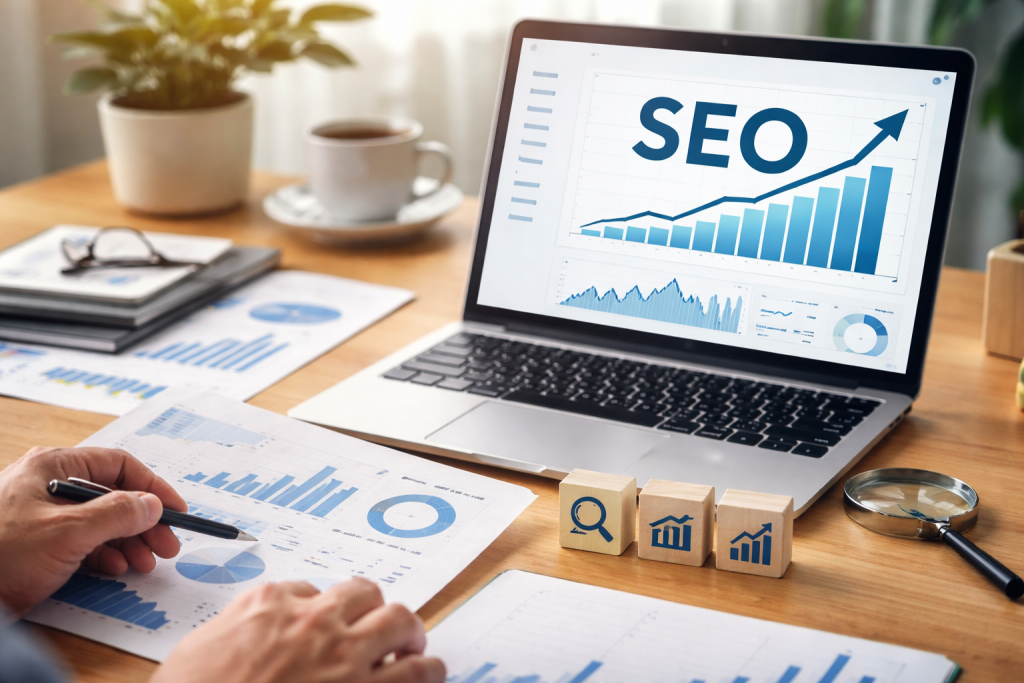
Before exploring their roles and distinctions, it’s essential to lay a foundational understanding of what SEO and SEM truly represent. These are not merely buzzwords but rather strategic approaches to increasing a website’s visibility on search engine results pages (SERPs).
Contents
- 1 What is SEO?
- 2 What is SEM?
- 3 Building Organic Visibility and Authority
- 4 Enhancing User Experience
- 5 Long-Term Sustainable Growth
- 6 Driving Immediate Traffic and Conversions
- 7 Precise Audience Targeting and Control
- 8 Market Share Dominance and Competitive Edge
- 9 Cost and Investment Model
- 10 Time to Results
- 11 Control and Flexibility
- 12 Sustainability and Longevity
- 13 Complementing Strengths for Comprehensive Coverage
- 14 Data Sharing and Insight Generation
- 15 Maximizing SERP Real Estate
- 16 When to Prioritize SEO
- 17 When to Prioritize SEM (Paid Search)
- 18 The Synergistic Approach
- 19 Continuous Keyword Research
- 20 High-Quality Content is King
- 21 Mobile-First Optimization
- 22 A/B Testing Your Ads and Landing Pages
- 23 Monitor and Analyze Performance Regularly
- 24 Focus on User Experience
What is SEO?
SEO, or Search Engine Optimization, is the practice of increasing the quantity and quality of traffic to your website through organic search engine results. This means that you do not pay directly for ad placements. The core objective of SEO is to make your website more attractive and relevant to search engines like Google, Bing, and Yahoo, so they display it higher in their natural, unpaid search results. It’s a long-term strategy focused on building authority, relevance, and a positive user experience.
What is SEM?
SEM, or Search Engine Marketing, is a broader term that encompasses all strategies used to ensure your website appears prominently on search engine results pages. While SEO is a critical component of SEM, SEM also includes paid advertising efforts. Essentially, SEM aims to increase visibility through both organic (SEO) and paid (PPC, or Pay-Per-Click) methods. It’s about securing a strong presence on SERPs through a combination of tactics.
SEO plays a pivotal, foundational role in any sustainable digital marketing strategy. It’s the engine that drives organic discovery, building trust and authority over time.
Building Organic Visibility and Authority
One of the primary roles of SEO is to improve a website’s organic ranking on SERPs. A high organic ranking guarantees that users will see and click on your website when they search for information, products, or services related to your business. This visibility doesn’t cost per click, making it a highly cost-effective long-term investment. By consistently ranking well, a website naturally gains authority and credibility in the eyes of both users and search engines.
Enhancing User Experience
Modern SEO heavily emphasizes user experience (UX), not just keywords and backlinks. Search engines prioritize websites that offer value, are simple to navigate, load quickly, and are mobile-friendly. Therefore, SEO encourages website improvements that directly benefit the user, leading to lower bounce rates, increased engagement, and ultimately, higher conversion rates. A well-optimized website is inherently user-friendly.
Long-Term Sustainable Growth
Unlike paid advertising, which stops generating traffic the moment the budget runs out, SEO provides long-term, sustainable growth. Once a website achieves strong organic rankings, it continues to attract traffic and leads without continuous financial investment in ads. While ongoing optimization and content creation are necessary, the underlying organic traffic pipeline remains robust, making it a stable foundation for business growth.
While SEO builds the organic foundation, SEM, in its broader sense, provides immediate impact and allows for targeted, strategic outreach. It’s about leveraging both unpaid and paid avenues for maximum exposure.
Driving Immediate Traffic and Conversions
A key strength of SEM, particularly its paid advertising component, is the ability to generate immediate traffic. Unlike SEO, which can take months to show significant results, paid search campaigns can bring targeted visitors to your website within hours of launch. This is invaluable for new businesses, promotional offers, or when rapid visibility is required to meet specific sales targets or market trends.
Precise Audience Targeting and Control
Paid search advertising offers unparalleled control over audience targeting. Businesses can define their ideal customer based on demographics, interests, location, search queries, and even past online behavior. This precision ensures that ad spend is directed toward individuals most likely to be interested in the product or service, leading to higher conversion rates and a better return on investment. The ability to control ad copy, landing pages, and bids also allows for highly flexible and optimized campaigns.
Utilizing both organic and paid search strategies through SEM allows businesses to dominate the SERPs. If a business ranks organically while also running paid ads for the same keywords, they occupy more real estate on the results page. This dual presence increases visibility, builds brand recognition, and can effectively push competitors further down the page, securing a larger share of potential customer attention.
Despite their interconnectedness and shared goal of increasing search visibility, the operational characteristics and strategic implications of SEO and SEM are quite distinct.
Cost and Investment Model
The most fundamental difference lies in their cost structure. SEO is primarily an investment in time, effort, and expertise, with the resulting traffic being “free” per click. While there are costs associated with content creation, technical audits, tools, and potentially an SEO specialist, you don’t pay directly for each visitor. SEM, on the other hand, involves direct monetary investment. Through PPC, you bid on keywords and pay a fee every time someone clicks on your ad. This makes SEM’s costs more immediate and directly tied to traffic volume.
Time to Results
SEO is a long-game strategy. It can take several weeks, often months, to see significant improvements in organic rankings and traffic. This phenomenon is due to the nature of search engine algorithms needing time to crawl, index, and rank content, as well as the incremental process of building domain authority. SEM, particularly paid advertising, offers almost instantaneous results. Once a campaign is live, ads begin appearing, and traffic can flow immediately, making it ideal for short-term goals or launching new products.
Control and Flexibility
With paid advertising (part of SEM), you have a high degree of control over when your ads appear, to whom they are shown, and what message they convey. You can start, pause, or adjust campaigns at any moment, offering immense flexibility. SEO offers less direct control. While you can optimize your website, content, and backlinks, ultimately, search engine algorithms decide your ranking. Changes in algorithms can impact your results, and adjustments often require patience.
Sustainability and Longevity
SEO results, once achieved, tend to be more sustainable and long-lasting, providing an ongoing stream of traffic even without continuous daily effort (though maintenance is always recommended). It builds an organic asset. SEM’s paid traffic stops the moment your budget runs out. It’s a tap that you turn on and off. While effective for immediate impact, it doesn’t build the same kind of enduring asset as strong organic rankings.
While distinct, SEO and SEM are not mutually exclusive; in fact, they are most powerful when utilized in concert. A comprehensive digital marketing strategy often leverages the strengths of both.
Complementing Strengths for Comprehensive Coverage
SEO lays the groundwork for organic visibility and long-term authority, while SEM (paid search) provides immediate impact and allows for targeted bursts of traffic. By combining them, businesses can capture both short-term gains and build sustainable long-term growth. For example, paid ads can quickly generate traffic for competitive keywords where organic ranking is difficult or takes time, while SEO works in the background to improve organic positions for those and other relevant keywords.
Data Sharing and Insight Generation
The data gathered from SEM campaigns, particularly keyword performance and audience behavior, can be incredibly valuable for refining SEO strategies. For instance, high-performing keywords in a PPC campaign might indicate valuable opportunities for organic content creation. Conversely, insights from organic search queries can inform keyword selection and ad copy optimization in SEM. This cross-pollination of data strengthens both approaches.
Maximizing SERP Real Estate
When a business ranks organically for a keyword and simultaneously runs a paid ad for the same keyword, it effectively doubles its presence on the search results page. This occupies more prime real estate, increasing brand visibility and the likelihood of a click. This strategy can be particularly effective for critical, high-conversion keywords where dominating the SERP is crucial.
The decision to prioritize SEO, SEM, or a combination depends heavily on business goals, budget, industry, and timeline.
When to Prioritize SEO
SEO is ideal when you are looking for long-term, sustainable growth and building brand authority over time. It’s a strong choice if you have a limited budget for immediate ad spend but can invest resources in content creation, technical optimization, and link building. For businesses with established websites seeking continuous, cost-effective lead generation, SEO should be a core focus. It’s also paramount for industries where trust and credibility are exceptionally high-value.
When to Prioritize SEM (Paid Search)
SEM’s paid component is best utilized when you need immediate results, have a new product launch, are running a special promotion, or want to target a highly specific niche audience with precision. If you have a generous marketing budget and are looking for quick traffic, lead generation, or sales, paid search offers unparalleled speed and control. It’s also effective for testing market demand for new products or keywords before investing heavily in organic content.
The Synergistic Approach
For most businesses, the most effective strategy involves integrating both. Begin with a strong SEO foundation to ensure your website is technically sound and provides valuable content. Simultaneously, run targeted SEM campaigns to generate immediate traffic, test keywords, and fill the gap while SEO efforts mature. As organic rankings improve, you can adjust your SEM spend, perhaps focusing paid efforts on more competitive terms or new product launches. This integrated approach allows for both immediate impact and sustained, organic growth.
To truly leverage the power of SEO and SEM, ongoing optimization and strategic planning are essential.
Continuous Keyword Research
Both SEO and SEM rely heavily on relevant keywords. Invest in continuous keyword research to identify new opportunities, understand user intent, and adapt to evolving search trends. Tools like Google Keyword Planner, Ahrefs, and Semrush can provide invaluable insights.
High-Quality Content is King
For SEO, high-quality, valuable, and relevant content is non-negotiable. For SEM, your landing pages linked from ads must also offer a seamless, pertinent experience. Invest in creating content that directly answers user queries and offers solutions, whether it’s blog posts, product descriptions, or service pages.
Mobile-First Optimization
With the majority of internet users browsing on mobile devices, ensuring your website is mobile-friendly is critical for both SEO rankings (Google’s mobile-first indexing) and for providing a positive user experience for those clicking on your SEM ads. Fast load times are also paramount.
A/B Testing Your Ads and Landing Pages
For SEM campaigns, regularly A/B test different ad copy, headlines, calls to action, and landing page designs to identify what resonates best with your target audience. Small improvements can lead to significant increases in click-through rates and conversion rates, optimizing your ad spend.
Monitor and Analyze Performance Regularly
Both SEO and SEM strategies require continuous monitoring. Use tools like Google Analytics, Google Search Console, and your ad platform’s analytics to track key metrics such as traffic, rankings, conversions, and ROI. Examine this data to determine what’s effective, what’s not, and where modifications are necessary.
Focus on User Experience
Ultimately, search engines aim to provide the best possible experience for their users. Both organic rankings and ad performance will reward websites that are easy to navigate, fast, secure, and offer valuable information. Prioritize user experience in all your digital marketing efforts, from technical SEO to ad design.
By understanding the distinct yet complementary nature of SEO and SEM, and implementing these strategies thoughtfully, businesses can build a powerful and enduring online presence, that drives both immediate impact and long-term sustainable growth.

The Virelvo Editorial Team specializes in creating beginner-friendly digital marketing content designed to help individuals and small businesses grow online.