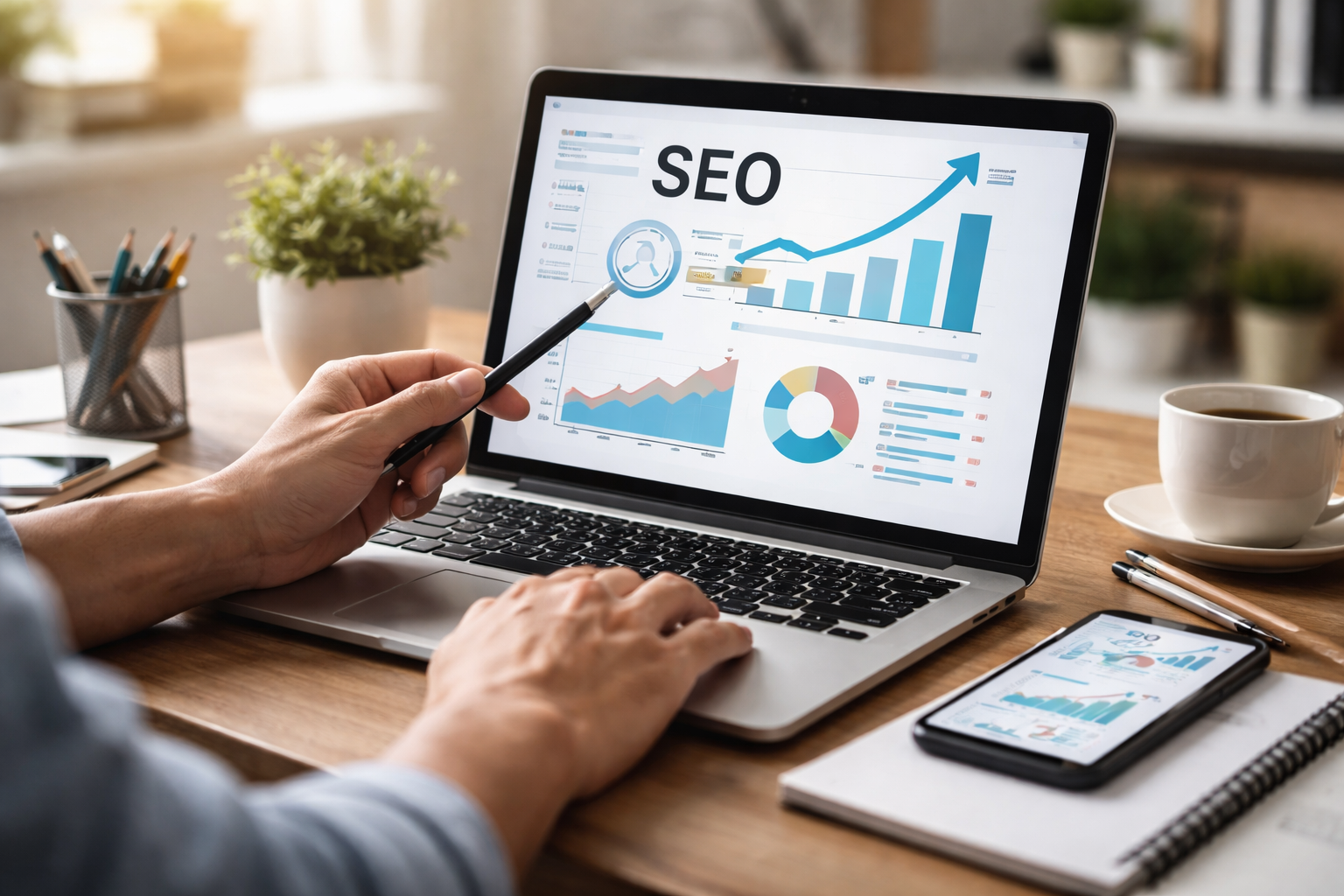
In the ever-evolving landscape of online visibility, the quest for the coveted top spot on Google’s search results page remains a paramount goal for businesses and website owners. This isn’t a matter of luck; it’s a science, a strategic endeavor that requires understanding the intricate workings of Google’s algorithm and implementing proven tactics. This comprehensive guide will provide you with the necessary knowledge and actionable insights to decipher Google’s algorithm and improve your website’s ranking.
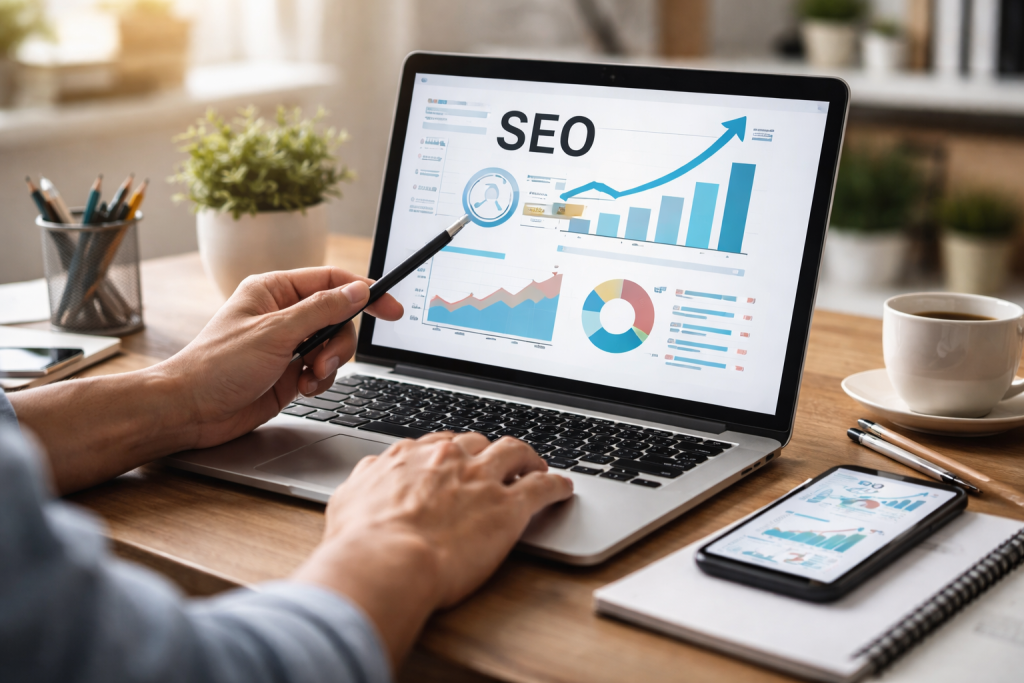
Google’s ranking algorithm is a complex and constantly refined system designed to deliver the most relevant and authoritative results to user queries. While the exact proprietary formula remains a closely guarded secret, extensive research and real-world observation have revealed key pillars that consistently influence search engine rankings. At its core, the algorithm seeks to answer the user’s intent effectively. This means a website that accurately addresses what a user is searching for, provides valuable and trustworthy information, and offers a seamless user experience will naturally perform better.
Contents
- 1 The Shifting Sands of Search: Core Ranking Factors
- 2 User Intent: The Ultimate Driver
- 3 The Authority Game: Domain and Page Authority
- 4 Strategic Keyword Research: Beyond the Obvious
- 5 Crafting Engaging and Informative Content
- 6 On-Page Optimization: Making Your Content Accessible
- 7 Earning Links Through Value
- 8 Outreach and Relationship Building
- 9 Avoiding the Pitfalls of Bad Links
- 10 Optimizing for Lightning-Fast Load Times
- 11 Mastering the Mobile Experience
- 12 Social Signals and Brand Amplification
- 13 The Trust Factor of Online Reviews
- 14 Mastering Your Google Business Profile
- 15 Local Keyword Targeting and Citations
- 16 Diving Deep with Google Analytics and Search Console
- 17 Tracking Your Performance and Competitors
The Shifting Sands of Search: Core Ranking Factors
Over the years, certain factors have become undeniably crucial. Content quality, keyword relevance, user engagement, website authority, and technical optimization form the bedrock of Google’s evaluation. The algorithm doesn’t just look at individual elements; it analyzes the interplay between them to create a holistic picture of your website’s value to users. Think of it as a holistic assessment rather than a simple checklist. Early iterations of Google’s algorithm were heavily reliant on on-page factors like keyword density, but as the internet matured and user behavior evolved, so too did the algorithm, placing greater emphasis on signals of trust and authority.
User Intent: The Ultimate Driver
At the heart of Google’s mission is to satisfy the user’s intent behind a search query. Whether someone is looking to buy a product, learn about a topic, or find a local service, Google aims to present the most fitting solution. Understanding what your target audience is really looking for is therefore foundational. This involves delving deep into the nuances of their search terms, the problems they are trying to solve, and the information they seek. A website that perfectly aligns with user intent will naturally accrue more engagement signals, which are indirectly but powerfully reflective of ranking potential.
The Authority Game: Domain and Page Authority
Beyond the immediate content, Google also assesses the overall authority and trustworthiness of your website. Domain Authority, a concept often discussed in SEO circles, while not an official Google metric, mirrors the algorithm’s inclination toward established and reputable sites. Websites that have consistently provided valuable content, earned backlinks from other authoritative sources, and maintained a strong online presence over time are perceived as more credible. This builds a trust factor that search engines reward.
Keywords act as the bridge between what your audience is searching for and the information you provide. However, the days of stuffing irrelevant keywords into your content are long gone, replaced by a more nuanced and user-centric approach. Identifying the right keywords requires understanding your target audience’s language, their pain points, and the specific terms they use when seeking solutions related to your offerings.
Strategic Keyword Research: Beyond the Obvious
Effective keyword research goes beyond simply identifying high-volume terms. It involves understanding search intent, long-tail keywords (more specific, lower search volume phrases that often convert better), and LSI (Latent Semantic Indexing) keywords, which are conceptually related terms that help Google understand the broader context of your content. Tools like Google Keyword Planner, SEMrush, and Ahrefs are invaluable for this process, revealing not only search volume but also competition levels and related queries.
Crafting Engaging and Informative Content
Once you identify keywords, the real work starts: crafting content that is not just keyword-optimized but also genuinely valuable, engaging, and comprehensive. Google prioritizes content that provides in-depth answers to user questions, offers unique insights, and is well-written and easy to understand. This means moving beyond superficial blog posts and focusing on creating cornerstone content, such as detailed guides, case studies, original research, and expert interviews. The goal is to become the definitive resource for your chosen topics.
On-Page Optimization: Making Your Content Accessible
Within your content and on your web pages, several on-page optimization techniques are essential. This includes strategic placement of your primary keywords in titles, headings, meta descriptions, and throughout the body of your text, but always in a natural and reader-friendly manner. Image alt text, internal linking to other relevant pages on your site, and clear, descriptive URLs also contribute to a page’s findability and user experience.
Backlinks are essentially votes of confidence from other websites. When a reputable website links to yours, it signals to Google that your content is valuable and trustworthy. However, the quantity of backlinks is far less important than their quality and relevance. A single high-authority backlink can be far more beneficial than dozens from low-quality or irrelevant sites.
Earning Links Through Value
The most sustainable and effective way to build backlinks is by creating exceptional content that others naturally want to link to. This could be groundbreaking research, insightful industry analysis, or highly useful tools and resources. When you produce content of genuine merit, other websites will cite it as a source, organically generating valuable backlinks.
Outreach and Relationship Building
Beyond organic link acquisition, strategic outreach plays a vital role. This involves identifying relevant websites and influencers in your niche and initiating genuine connections. Instead of simply asking for a link, focus on building relationships, offering value through guest blogging on their platforms, contributing to their articles, or sharing their content. Personalization and demonstrating a clear benefit to the linking website are key.
Avoiding the Pitfalls of Bad Links
It’s crucial to avoid practices that could lead to penalties from Google. Buying links, participating in link farms, or engaging in excessive link exchanges can severely damage your website’s reputation and lead to de-indexing. Focus on earning links ethically and sustainably through genuine value creation.
In today’s fast-paced digital world, users expect instantaneous access to information and seamless navigation across all devices. Google has recognized this and made website speed and mobile-friendliness critical ranking factors. A slow-loading or poorly designed mobile experience will not only frustrate users but also actively harm your search engine visibility.
Optimizing for Lightning-Fast Load Times
Website speed is paramount. Users are impatient; if your pages take too long to load, they will bounce, signaling to Google that your site is not a good experience. This involves optimizing images, leveraging browser caching, minifying CSS and JavaScript files, and choosing a reliable hosting provider. Regularly testing your website’s speed using tools like Google PageSpeed Insights is crucial.
Mastering the Mobile Experience
With the majority of internet traffic now coming from mobile devices, a responsive and mobile-friendly website is non-negotiable. This means your website should adapt beautifully to various screen sizes, with clear navigation, readable text, and easy-to-tap buttons. Google’s mobile-first indexing means it primarily uses the mobile version of your content for indexing and ranking, making this aspect of your website’s design incredibly important.
While often seen as separate entities, social media and online reviews play an increasingly significant role in a website’s overall online authority and discoverability. They contribute to brand visibility and user engagement and can indirectly influence ranking signals.
Social Signals and Brand Amplification
Active participation on relevant social media platforms can increase your brand’s visibility, drive traffic to your website, and foster a community around your offerings. While direct social shares might not be a primary ranking factor, increased brand mentions and engagement can lead to more people discovering and linking to your content, thus indirectly boosting your SEO.
The Trust Factor of Online Reviews
Online reviews, whether on platforms like Google My Business, Yelp, or industry-specific review sites, are powerful indicators of trust and customer satisfaction. Positive reviews can enhance your local search rankings, drive conversions, and build credibility with potential customers. Promptly responding to both positive and negative feedback demonstrates engagement and a commitment to customer service.
For businesses with a physical presence or serving a specific geographic area, local SEO is a critical component of their online strategy. It’s about ensuring your business appears prominently when users search for products or services in your vicinity.
Mastering Your Google Business Profile
Your Google Business Profile (GBP) is your digital storefront on Google. Optimizing it with accurate business information, high-quality photos, services offered, and regularly posting updates is fundamental. Encouraging customer reviews on your GBP also significantly impacts local search visibility.
Local Keyword Targeting and Citations
Incorporating location-specific keywords into your website content and meta descriptions is essential for local search. Furthermore, ensuring consistent business name, address, and phone number (NAP) across various online directories and citation sites builds authority and helps Google verify your business’s legitimacy in local searches.
SEO is not a set-it-and-forget-it endeavor. Continuous monitoring and analysis are vital to understand what’s working, identify areas for improvement, and adapt to algorithm changes.
Diving Deep with Google Analytics and Search Console
Google Analytics provides invaluable insights into website traffic, user behavior, conversion rates, and the sources of your visitors. Google Search Console offers a direct line to Google’s understanding of your website, highlighting technical issues, search queries that drive traffic, and backlink performance. Regularly reviewing these tools is non-negotiable for any serious SEO effort.
Tracking Your Performance and Competitors
Beyond Google’s native tools, a suite of third-party analytics and monitoring platforms can offer deeper insights into keyword rankings, competitor strategies, and technical SEO audits. Tools like SEMrush, Ahrefs, and Moz provide comprehensive dashboards to track your progress, benchmark against competitors, and proactively identify opportunities and potential issues. By consistently applying these proven strategies, understanding Google’s evolving algorithm, and diligently monitoring your results, you can significantly improve your website’s ranking and achieve the online visibility you desire.

The Virelvo Editorial Team specializes in creating beginner-friendly digital marketing content designed to help individuals and small businesses grow online.