
Digital marketing boils down to this: it’s using online channels to connect with potential customers. Think websites, social media, email, search engines – all the places people spend their time online. The goal is to get your message out there, build relationships, and ultimately, grow your business. If you’re just starting out, it can feel like a maze, but breaking it down makes it much more manageable. This guide will walk you through the essential steps, from understanding the basics to putting a strategy in place and seeing how well it’s working.

Before you dive into the nitty-gritty, it’s helpful to get a grasp of the fundamental concepts. Digital marketing isn’t a single thing; it’s a collection of tools and techniques that work together.
Contents
- 1 What is Digital Marketing, Really?
- 2 Key Components of Digital Marketing
- 3 Defining Your Audience
- 4 Setting Clear Goals
- 5 Choosing the Right Channels
- 6 Selecting Your Platforms Wisely
- 7 Crafting Engaging Content
- 8 Building and Engaging Your Community
- 9 Building Your Email List
- 10 Crafting Compelling Email Campaigns
- 11 Automating Your Email Sequences
- 12 Creating a User-Friendly Website
- 13 Developing High-Quality Content
- 14 On-Page SEO Essentials
- 15 Key Performance Indicators (KPIs)
- 16 Utilizing Analytics Tools
- 17 Iteration and Optimization
- 18 Staying Updated with Trends
- 19 Consistent Content Creation
- 20 Building Relationships and Networking
What is Digital Marketing, Really?
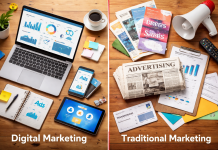
In simple terms, digital marketing is any marketing effort that uses an electronic device or the internet. Businesses leverage digital channels such as search engines, social media, email, and other websites to connect with current and prospective customers. It’s about meeting your audience where they already are – online. Unlike traditional marketing, which might involve billboards or print ads, digital marketing offers far more ways to target specific groups, track results, and adjust your approach in real-time. This adaptability is one of its biggest advantages.
Key Components of Digital Marketing
There are several core areas within digital marketing that you’ll encounter. Each plays a unique role in your overall strategy.
Search Engine Optimization (SEO)
SEO is all about making your website show up higher in search engine results when someone looks for something related to your business. It involves things like using the right keywords, having good quality content, and making sure your site is technically sound. When people search for products or services you offer, you want your business to be one of the first they see. This isn’t about paying for ads; it’s about earning that visibility organically.
Content Marketing
Content marketing focuses on creating and distributing valuable, relevant, and consistent content to attract and retain a clearly defined audience. This can be blog posts, videos, infographics, podcasts, or even simple social media updates. The idea is to provide useful information that helps your audience, builds trust, and establishes you as an authority in your field. It’s less about directly selling and more about nurturing a relationship.
Social Media Marketing (SMM)
Social media marketing involves using platforms like Facebook, Instagram, Twitter, LinkedIn, and TikTok to connect with your audience, build your brand, drive traffic to your website, and generate sales. It’s a fantastic way to engage directly with your customers, get feedback, and build a community around your business. Each platform has its own nuances, so understanding where your audience spends their time is crucial.
Email Marketing
Email marketing is the practice of sending messages to a group of people via email. It’s a direct and powerful way to communicate with your audience, share updates, promote products or services, and build customer loyalty. Unlike social media, where algorithms can limit your reach, email gives you a direct line to your audience’s inbox. Building an email list is a valuable asset for any business.
Pay-Per-Click (PPC) Advertising
PPC is a model of internet marketing where advertisers pay a fee each time one of their ads is clicked. Essentially, you’re buying visits to your site, rather than trying to “earn” those visits organically. Google Ads is a prime example, where you can bid on keywords so your ads appear at the top of search results. It’s an effective way to get immediate visibility, especially for new businesses or specific promotions.
Jumping into digital marketing without a plan is like sailing without a map. A clear strategy will guide your efforts and ensure you’re working towards specific goals.
Defining Your Audience
Who are you trying to reach? This is perhaps the most critical question. Understanding your target audience – their demographics, interests, pain points, and online behaviors – will inform every other decision you make. If you don’t know who you’re talking to, your message will likely fall flat. Create detailed buyer personas to represent your ideal customers. This isn’t about guessing; it’s about research and data.
Setting Clear Goals
What do you want to achieve with your digital marketing? Do you want more website traffic, increased sales, higher brand awareness, or better customer engagement? Your goals should be SMART: Specific, Measurable, Achievable, Relevant, and Time-bound. For instance, “increase website traffic by 20% in the next three months” is a much better goal than “get more website visitors.”
Choosing the Right Channels
Based on your audience and goals, you can then decide which digital marketing channels make the most sense. If your audience is mostly visual and young, Instagram and TikTok might be high priorities. If you’re a B2B company, LinkedIn and email marketing could be more effective. You don’t need to be everywhere; focus on the platforms where you can get the best return on your effort.
Social media is more than just posting updates; it’s a dynamic tool for building relationships and driving business.
Selecting Your Platforms Wisely
Don’t feel pressured to be on every single social media platform. It’s far better to do a great job on two or three platforms where your target audience spends most of their time than to spread yourself thin across ten. Research which platforms are most popular with your ideal customers and focus your efforts there. Each platform has its own culture and best practices, so tailor your content accordingly.
Crafting Engaging Content
The key to social media success is content that resonates with your audience. This means a mix of different types of posts: educational, entertaining, inspirational, and promotional. Use high-quality images and videos. Ask questions to spark conversation. Run polls. Share behind-the-scenes glimpses. The goal is to provide value and encourage interaction, not just to broadcast your sales pitch.
Building and Engaging Your Community
Social media is a two-way street. Respond to comments and messages promptly. Acknowledge positive feedback and address negative comments constructively. Run contests or host Q&A sessions. The more you engage with your followers, the stronger your community will become, leading to greater loyalty and advocacy for your brand. Show your personality and let your brand’s voice shine through.
Email remains one of the most effective digital marketing channels, offering a direct line of communication with your audience.
Building Your Email List
This is the first step and arguably the most important. You need a way to collect email addresses. Offer something valuable in exchange for sign-ups, like a free guide, an exclusive discount, or early access to new products. Place sign-up forms prominently on your website and social media. Make it easy for people to opt-in. Remember, these are people who are interested in what you have to offer, so treat their trust with respect.
Crafting Compelling Email Campaigns
Once you have a list, what do you send them? Your emails should provide value. This could be exclusive content, special offers, important updates, or helpful tips related to your industry. Segment your list so you can send targeted messages to different groups of subscribers. Personalize your emails where possible. A good subject line is crucial for getting your emails opened, so make it enticing and clear.
Automating Your Email Sequences
Email automation can save you a lot of time and ensure your audience receives timely, relevant messages. Set up welcome sequences for new subscribers, abandoned cart reminders, or follow-up emails after a purchase. These automated flows can nurture leads, drive sales, and improve customer retention without constant manual effort. This allows you to scale your efforts without increasing your workload significantly.
Your website is often the central hub of your digital marketing efforts. It needs to be effective and user-friendly.
Creating a User-Friendly Website
Your website needs to be more than just pretty; it needs to be functional. Ensure it’s easy to navigate, loads quickly, and is mobile-responsive. Most people browse on their phones, so a clunky mobile experience can drive potential customers away. Clear calls to action (CTAs) are also essential, guiding visitors on what you want them to do next, whether it’s making a purchase or filling out a contact form.
Developing High-Quality Content
Content is still king. Whether it’s blog posts, product descriptions, or landing page copy, your content needs to be well-written, informative, and engaging. It should address your audience’s questions and pain points. High-quality content not only attracts visitors but also builds trust and positions you as an expert. Consistency in your content creation also helps with SEO and keeps your audience engaged.
On-Page SEO Essentials
Beyond just writing good content, you need to optimize it for search engines. This involves using relevant keywords naturally throughout your content, in your headings, and in your meta descriptions. Make sure your page titles are descriptive. Optimize your images with alt text. These small but important details help search engines understand what your page is about and how to rank it. Think of it as making your content easy for both humans and search engines to understand.
You don’t want to just throw efforts out there; you need to know what’s working and what isn’t. Measurement is key to improvement.
Key Performance Indicators (KPIs)
KPIs are specific metrics that help you track the progress toward your goals. If your goal is to increase website traffic, your KPIs might include unique visitors and page views. If it’s sales, your KPIs would include conversion rates and revenue. Define your KPIs upfront so you know what data to look at. Without KPIs, it’s hard to objectively assess your performance and make data-driven decisions.
Utilizing Analytics Tools
Tools like Google Analytics are indispensable. They provide a wealth of information about your website visitors – where they come from, what pages they look at, how long they stay, and much more. Social media platforms also offer their own analytics. Regularly review these dashboards to understand your audience’s behavior and the effectiveness of your campaigns. Don’t just collect data; interpret it.
Iteration and Optimization
Digital marketing isn’t a set-it-and-forget-it endeavor. Based on your analysis, you’ll need to adjust your strategies. If a certain type of content isn’t performing well, try something different. If one ad campaign is outperforming another, allocate more budget to it. This continuous cycle of measuring, analyzing, and optimizing is what leads to sustainable success. Experiment, learn, and adapt.
Once you get a campaign rolling, keeping it effective requires ongoing attention and a forward-thinking approach.
Staying Updated with Trends
The digital landscape is always changing. New platforms emerge, algorithms shift, and consumer behaviors evolve. Dedicate time to staying informed about the latest digital marketing trends. Follow industry blogs, attend webinars, and connect with other marketers. Being adaptable and willing to experiment with new approaches will keep your marketing fresh and relevant.
Consistent Content Creation
Consistency is crucial for building an audience and maintaining engagement. Develop a content calendar to plan your blog posts, social media updates, and email newsletters in advance. Regular, valuable content keeps your brand top-of-mind and provides ongoing opportunities for engagement and lead generation. Don’t let your efforts fizzle out; keep the conversation going.
Building Relationships and Networking
Digital marketing isn’t just about algorithms; it’s about people. Engage with your audience, respond to comments, and participate in relevant online communities. Network with other businesses and influencers in your industry. Building genuine relationships can lead to collaborations, shared audiences, and increased brand visibility. A strong network can be a powerful asset in expanding your reach.

The Virelvo Editorial Team specializes in creating beginner-friendly digital marketing content designed to help individuals and small businesses grow online.