
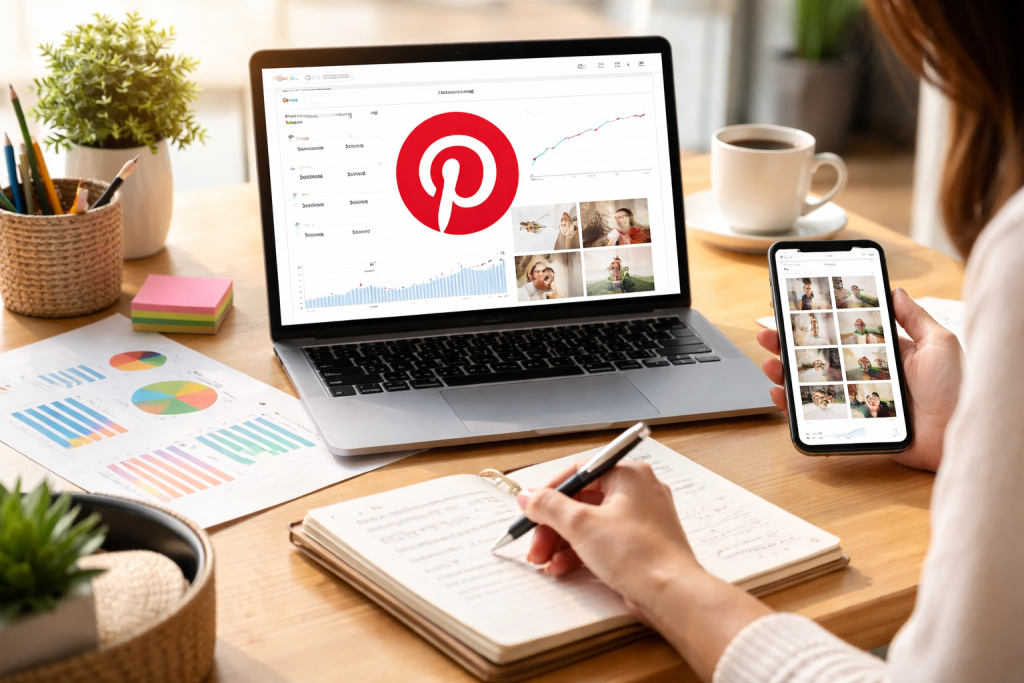
Pinterest, often perceived as a visual discovery engine for recipes and DIY projects, has evolved into a powerful marketing platform capable of driving significant traffic and conversions for businesses of all sizes. Its unique algorithm and user behaviour create fertile grounds for organic reach and targeted advertising. Mastering Pinterest marketing requires a strategic approach, understanding its nuances, and consistently implementing best practices. This comprehensive guide will explore all the essential elements of transforming your Pinterest presence into a revenue-generating machine, from foundational principles to advanced advertising strategies.
At its core, Pinterest marketing is about making your products, services, or content discoverable and appealing to a vast audience actively seeking inspiration and solutions. Unlike social media platforms focused on fleeting updates, Pinterest users save content they intend to revisit and act upon. This intent-driven engagement makes it a valuable tool for businesses looking to influence purchasing decisions and generate tangible results.
Contents
- 1 The Power of Visual Search
- 2 User Intent and Discovery
- 3 The Mechanics of Pins and Boards
- 4 Organic Reach Potential
- 5 High-Quality Visuals are Non-Negotiable
- 6 Compelling Pin Descriptions and Keywords
- 7 The Power of Text Overlay
- 8 Incorporating Video Pins and Idea Pins
- 9 Understanding Key Metrics
- 10 Audience Insights and Demographics
- 11 Pin Performance Analysis
- 12 Board Performance and Engagement
- 13 A Professional Profile Picture and Cover Image
- 14 A Keyword-Rich Business Bio
- 15 Verifying Your Website
- 16 Organizing Your Boards Strategically
- 17 Understanding Ad Formats
- 18 Targeting Options for Precision
- 19 Conversion-Focused Campaigns
- 20 Retargeting for Maximum ROI
- 21 Establishing Key Performance Indicators (KPIs)
- 22 Regular Performance Review
- 23 A/B Testing Your Approach
- 24 Adapting to Algorithm Changes and Trends
The Power of Visual Search
Pinterest’s primary function is visual search. Users don’t just type keywords; they often browse and discover through images. This means your visual assets are paramount. High-quality, aesthetically pleasing images are the gateway to capturing attention. Think of Pinterest as a visual catalogue where users are browsing for ideas, and your pins are the products or services on display.
User Intent and Discovery
The key differentiator of Pinterest is user intent. People are not passively scrolling; they are actively searching for specific needs, interests, or inspiration. Whether it’s planning a wedding, redecorating a home, finding a new recipe, or researching a product, users are in a consumption and planning mindset. Aligning your content with these intents is crucial for reaching the right audience at the opportune moment.
The Mechanics of Pins and Boards
Pins are the individual pieces of content – images or videos – that you upload to Pinterest. Each pin links back to your website, blog, or product page, serving as the primary driver of traffic. Boards are curated collections of pins, that are organised around specific themes or topics. Creating well-organised, relevant boards helps users navigate your content and understand your brand’s offerings.
Organic Reach Potential
Pinterest offers significant organic reach potential, especially compared to other social media platforms. The platform’s search algorithm favours evergreen content that remains relevant over time. When users search for keywords related to your pins, and your pins are well-optimised, they can appear prominently in search results and suggested pins for months, even years, after being published. This longevity makes Pinterest a valuable long-term marketing asset.
The success of your Pinterest marketing hinges on the quality and appeal of your pins. A well-crafted pin can attract clicks, generate saves, and ultimately drive traffic. It’s about striking a balance between aesthetic appeal and informative content that entices users to learn more.
High-Quality Visuals are Non-Negotiable
This cannot be stressed enough: your pin images must be of the highest quality. This means crisp, clear, well-lit photographs or graphics. Avoid blurry images, pixelation, or overly cluttered designs. Think professional product shots, aspirational lifestyle images, or informative infographics. The dimensions also matter; vertical pins (2:3 aspect ratio, ideally 1000×1500 pixels) perform best as they take up more screen real estate.
Compelling Pin Descriptions and Keywords
Beyond the visual, your pin description is where you provide context and attract the right audience through search. Think of keywords like you would for SEO on your website. Research what terms people are using to find content like yours. Incorporate these keywords naturally into your pin titles and descriptions. Aim for descriptive, benefit-driven language that highlights what the user will gain by clicking. Avoid keyword stuffing; the description should be coherent and easy to read.
The Power of Text Overlay
Adding text overlays to your pins can significantly improve their clickability. This text should be concise, attention-grabbing, and clearly communicate the benefit or topic of the pin. Use a readable font and ensure good contrast between the text and the background image. Think of it as a headline that entices users to click and read further on your website. Headlines like “5 Ways to Boost Your Productivity” or “The Ultimate Guide to ________” are highly effective.
Incorporating Video Pins and Idea Pins
Video pins and ideas Pins are increasingly becoming crucial for engagement. Short, dynamic videos can showcase products in action, demonstrate tutorials, or offer behind-the-scenes glimpses. Idea Pins, a multi-page format, are excellent for telling a story, sharing step-by-step guides, or creating immersive content. They are designed to keep users on the platform longer, fostering deeper engagement and brand familiarity.
To truly master Pinterest marketing, you need to understand what’s working and what’s not. Pinterest Analytics provides invaluable data that can inform your strategy, helping you refine your content, target your audience more effectively, and optimise your efforts for maximum impact.
Understanding Key Metrics
Familiarise yourself with the core metrics in Pinterest Analytics. This includes impressions (how many times your pins were seen), closeups (how many times users zoomed in on your pins), outbound clicks (how many times users clicked from your pin to your website), and saves (how many times users saved your pins to their boards). Understanding the relationship between these metrics can reveal patterns in users’ behaviour.
Audience Insights and Demographics
Pinterest Analytics offers insights into your audience’s demographics, interests, and the content they engage with. This information is invaluable for customising your content to effectively connect with your intended audience. Are your ideal customers primarily women aged 25-34 interested in home décor? Knowing these facts allows you to create pins that directly address their specific needs and aesthetic preferences.
Pin Performance Analysis
Dive deep into the individual pins’ performance. Which pins are generating the most impressions? Which are driving the most outbound clicks? Identify trends in your top-performing pins. Are they all using a certain colour scheme? Do they focus on a particular product category? Use this data to replicate success and identify underperforming pins to either revise or retire.
Board Performance and Engagement
Analyse the performance of your boards. Which boards are attracting the most saves and clicks? This info can indicate which topics or product categories are most popular with your audience. It might also highlight opportunities to create new boards based on trending interests or organise existing content to improve discoverability.
Your Pinterest profile is your brand’s home on the platform. It’s the first impression many potential followers and customers will have, so it needs to be informative, professional, and optimised for search. A well-optimised profile ensures that users can easily find and understand who you are and what you offer.
A Professional Profile Picture and Cover Image
Use a high-quality, recognisable profile picture – ideally your logo or a professional headshot. Complement this with a visually appealing cover image that reflects your brand’s aesthetic and offerings. The cover image is prime real estate for showcasing your brand identity.
A Keyword-Rich Business Bio
Your bio is crucial for searchability and conveying your brand’s essence. Use relevant keywords that potential customers might search for when looking for your products or services. Clearly articulate what you do, who you help, and what value you provide. Think of it as a mini-elevator pitch.
Verifying Your Website
Verifying your website is a critical step. It allows you to access rich pins and shows users that your website is legitimate and connected to your Pinterest account. Verified accounts often gain a slight boost in visibility and lend credibility.
Organizing Your Boards Strategically
As mentioned above, well-organised boards are essential. Ensure your board titles are descriptive and include relevant keywords. Craft compelling board descriptions that further explain the content and attract users. Regularly review and update your boards to keep them fresh and relevant. Pin your most important content to the top of your relevant boards.
While organic reach is powerful, Pinterest Ads can accelerate your growth and drive targeted traffic directly to your website, leading to increased conversions. The platform’s powerful targeting options allow you to reach users with specific interests and intentions, making your ad spend more efficient and effective.
Understanding Ad Formats
Pinterest offers various ad formats, including Standard Pins, Video Pins, Carousel Pins, and Collection Pins. Each format serves different purposes and can be used strategically to achieve specific marketing goals. For example, Carousel Pins are ideal for showcasing multiple products, while Video Pins are excellent for demonstrating product usage or brand storytelling.
Targeting Options for Precision
Pinterest Ads offers robust targeting capabilities. You can target by demographics (age, gender, location), interests (home décor, fashion, fitness), keywords (users searching for specific terms), and even by life events (like engagements or new parents). Furthermore, you can leverage custom audiences and lookalike audiences to reach users who are most likely to convert.
Conversion-Focused Campaigns
When setting up your ad campaigns, focus on objectives that align with your business goals, such as website traffic, conversions, or app installs. Utilise campaign structures designed to drive specific actions. Implementing conversion tracking on your website is vital to measuring the effectiveness of your ads and optimising them for the desired outcomes.
Retargeting for Maximum ROI
Retargeting is a powerful strategy on Pinterest. You can serve ads to users who have previously interacted with your pins or website, reminding them of your brand and encouraging them to complete a desired action. This highly targeted approach often yields a significant return on investment, as you are reaching users who have already shown interest.
The journey of mastering Pinterest marketing is continuous. Regularly analysing your performance and adapting your strategy based on the data is essential for sustained success. Pinterest marketing is not a one-time event.
Establishing Key Performance Indicators (KPIs)
Before diving into analysis, define your KPIs. These are the metrics that directly reflect your business objectives. Are you aiming for increased website traffic, a higher number of product sales, or improved brand awareness? Your KPIs should align with these goals. Common KPIs include outbound click-through rate (CTR), conversion rate, average order value from Pinterest, and cost per acquisition.
Regular Performance Review
Schedule regular times to review your Pinterest Analytics and ad campaign performance. Look for trends, patterns, and anomalies. Are there specific types of pins that consistently perform well? Are your ad campaigns achieving their target CPA? This ongoing monitoring allows you to identify what’s working and what needs adjustment.
A/B Testing Your Approach
Don’t be afraid to experiment. A/B test different pin designs, descriptions, headlines, and ad creatives. Test different targeting parameters for your ads. By systematically testing variables, you can identify the most effective approaches for your audience and offerings. Small tweaks can often lead to significant improvements in performance.
Adapting to Algorithm Changes and Trends
Pinterest’s algorithm is constantly evolving, and user trends shift. Stay informed about platform updates and emerging trends in your industry. Be prepared to adapt your content strategy, keywords, and ad targeting accordingly. For example, if short-form video content becomes more prominent, consider incorporating more video pins into your strategy. By staying agile and data-driven, you can ensure your Pinterest marketing efforts remain effective and continue to drive traffic and conversions for your business.

The Virelvo Editorial Team specializes in creating beginner-friendly digital marketing content designed to help individuals and small businesses grow online.