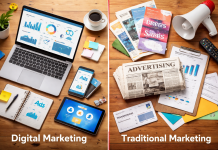
So, you’re looking to dive into digital marketing and wondering what skills will actually get you somewhere, especially if you’re just starting out? That’s a smart way to approach it. Forget trying to learn everything at once; focus on the essentials that build a solid foundation. The top 10 digital marketing skills for beginners are a blend of understanding the landscape, mastering key channels, creating compelling content, and knowing how to measure your impact. It’s about building a toolkit that allows you to contribute meaningfully and grow in this dynamic field.
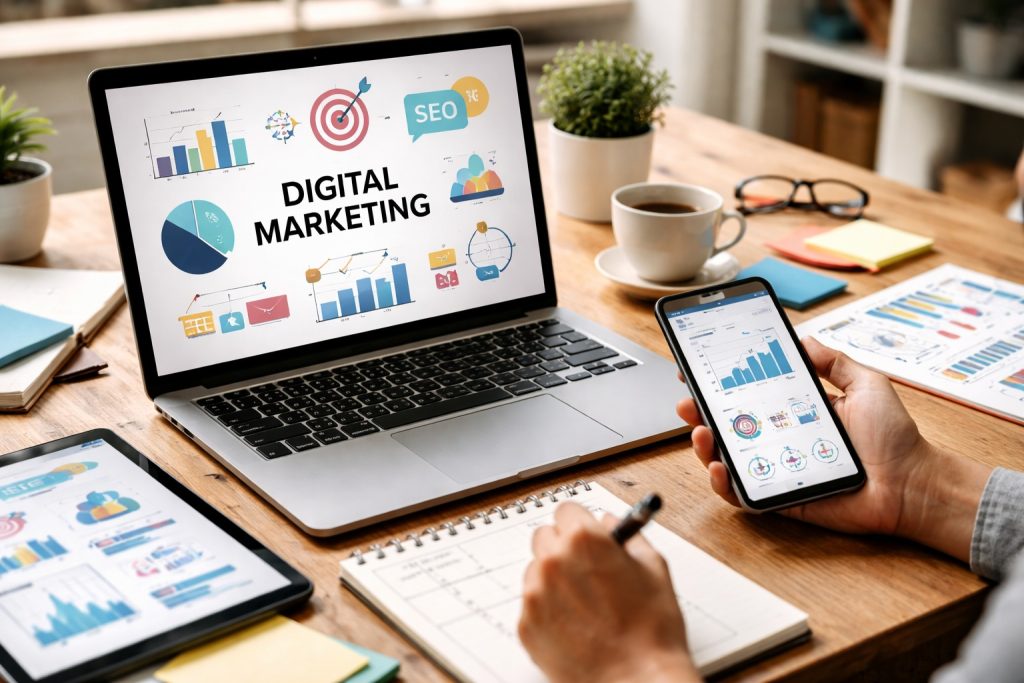
Before you start mastering specific tools, it’s helpful to get a grasp of what digital marketing actually is and why it’s so important today. Think of it as a huge umbrella covering all your marketing efforts that happen online. It’s not just about running ads; it’s about connecting with people where they are spending their time—on their computers, tablets, and phones.
Contents
- 1 What Is Digital Marketing All About?
- 2 Why is it Crucial Today?
- 3 Key Concepts to Know
- 4 How Search Engines Work (The Basics)
- 5 On-Page SEO Essentials
- 6 Off-Page SEO Fundamentals
- 7 Technical SEO Basics
- 8 Choosing the Right Platforms
- 9 Crafting Engaging Content for Social Media
- 10 Community Management and Engagement
- 11 Social Media Advertising Basics
- 12 Understanding Your Audience’s Needs
- 13 Types of Content and Their Purpose
- 14 Storytelling and Messaging
- 15 Content Optimization and Distribution
- 16 Key Metrics to Track
- 17 Understanding Google Analytics
- 18 Interpreting Data to Make Decisions
- 19 Measuring Campaign Performance
- 20 Defining Your Niche and Expertise
- 21 Showcasing Your Skills Online
- 22 Networking and Building Relationships
- 23 Continuous Learning and Adaptation
What Is Digital Marketing All About?
At its core, digital marketing is about using online channels to promote products or services. This can include search engines, social media, email, websites, and mobile apps. The beauty of it is that it’s often more measurable and targeted than traditional marketing, allowing you to reach very specific audiences. This means less wasted effort and money, and a better understanding of what’s working.
Why is it Crucial Today?
Simply put, your customers are online. Whether they’re looking for information, entertainment, or to make a purchase, they’re using digital platforms. If your business or your personal brand isn’t present in these spaces, you’re missing out on a massive opportunity. Digital marketing equips you with the skills to be seen and heard and to build relationships with potential customers.
Key Concepts to Know
Familiarize yourself with terms like target audience, customer journey, conversion, and ROI. Understanding these foundational concepts will make it much easier to grasp the more technical aspects later on. It’s like learning the alphabet before you write a novel; you need the basic building blocks.
Search Engine Optimization, or SEO, is arguably one of the most critical skills you can develop as a beginner. It’s the art and science of making your website more visible to search engines like Google. When people search for something related to what you offer, you want to be one of the first results they see.
How Search Engines Work (The Basics)
Search engines use complex algorithms to crawl, index, and rank websites. They’re constantly trying to provide users with the most relevant and high-quality results. SEO is about understanding how to speak the language of these algorithms and making your content appealing to both search engines and, more importantly, to humans.
On-Page SEO Essentials
This refers to optimizing elements directly on your website. Think about things like using relevant keywords in your page titles, headings, and content. Meta descriptions and image alt text are also important. It’s about making your content clear, informative, and easy for search engines to understand what it’s about.
Off-Page SEO Fundamentals
This involves actions taken outside of your website to improve its ranking. The most well-known aspect of this is link building – getting other reputable websites to link to yours. This signals to search engines that your content is valuable and trustworthy. User experience on your site also plays a significant role, influencing how long people stay and interact.
Technical SEO Basics
This sounds intimidating, but it’s really about ensuring your website is technically sound. This includes factors like website speed, mobile-friendliness, and site structure. A website that’s slow or hard to navigate will hurt your SEO efforts, no matter how great your content is.
Social media is where a huge chunk of online interaction happens. Knowing how to leverage these platforms effectively for marketing purposes is indispensable. It’s not just about posting; it’s about building communities, engaging with your audience, and driving specific actions.
Choosing the Right Platforms
Not all social media platforms are created equal, and they’re not all right for every business or individual. You need to understand where your target audience hangs out and what kind of content resonates on each platform. Is it the visual appeal of Instagram, the professional networking of LinkedIn, or the fast-paced conversations on Twitter?
Crafting Engaging Content for Social Media
This goes beyond just sharing a blog post. You need to create content that’s native to the platform—eye-catching images, short, punchy videos, stories, and interactive polls. The goal is to capture attention in a crowded feed and encourage engagement. Think about what would make you stop scrolling.
Community Management and Engagement
Social media is a two-way street. You need to actively respond to comments and messages, participate in conversations, and build relationships with your followers. This is where you can turn casual viewers into loyal customers or brand advocates. It’s about listening as much as it is about broadcasting.
Social Media Advertising Basics
While organic reach is great, paid social media advertising allows you to reach a much wider and more specific audience. Learning the basics of platforms like Facebook Ads, Instagram Ads, or LinkedIn Ads means understanding targeting options, ad formats, and budgeting. This can be a powerful tool for driving traffic and conversions.
Content is the fuel for almost all digital marketing activities. Whether it’s a blog post, a video, an infographic, or a podcast, it’s what attracts and engages your audience. Truly mastering content creation means understanding how to produce valuable, relevant, and consistent content.
Understanding Your Audience’s Needs
Before you write a single word or shoot a single frame, you need to know who you’re creating content for. What are their problems? What questions do they have? What kind of information are they looking for? Content that doesn’t address these needs is unlikely to be successful.
Types of Content and Their Purpose
Different content formats serve different purposes. Blog posts are great for in-depth information and SEO. Videos can be fantastic for explaining complex topics or showcasing products. Infographics can simplify data. Knowing which format to use for which objective is key.
Storytelling and Messaging
People connect with stories. Even in a business context, weaving narratives into your content can make it far more memorable and impactful. Your core message should be clear and consistent across all your content. What is it you want people to take away from your brand?
Content Optimization and Distribution
Creating great content is only half the battle. You need to ensure it’s optimized for search engines and social media, and then actively distribute it across the right channels to reach your target audience. This involves understanding how to promote your content effectively.
This is where digital marketing really shines. Unlike many traditional forms of marketing, you can track almost everything, and data analytics is your tool for understanding what’s happening. Without it, you’re essentially flying blind.
Key Metrics to Track
Start with the basics. What are the most important numbers to look at? This could include website traffic, bounce rate, conversion rates, click-through rates (CTR), and engagement rates on social media. Understanding what these metrics mean is crucial.
Understanding Google Analytics
Google Analytics is the industry standard for website analytics. Learning how to navigate its interface, set up goals, and analyze reports will give you invaluable insights into how users interact with your website. It’s where you see what’s working and what isn’t.
Interpreting Data to Make Decisions
Knowing the numbers is one thing; being able to interpret them and translate them into actionable strategies is another. If your bounce rate is high on a particular page, what does that tell you? If a social media campaign isn’t performing well, why? This skill separates theory from practice.
Measuring Campaign Performance
Digital marketing campaigns, whether they’re for SEO, social media, or email, need to be measured. Analytics tools allow you to see the return on investment (ROI) of your efforts, helping you to refine your strategies and allocate resources more effectively.
As you develop these skills, you’ll also want to build your own reputation. Your personal brand is how people perceive you in the professional world. In digital marketing, this can significantly open doors to opportunities.
Defining Your Niche and Expertise
What are you particularly good at? What aspects of digital marketing do you find most interesting? Focus on developing and showcasing your expertise in a specific area. This makes you stand out.
Showcasing Your Skills Online
Your LinkedIn profile, your personal website, your social media activity – these are all platforms for building your personal brand. Share your knowledge, participate in discussions, and demonstrate what you’ve learned and accomplished.
Networking and Building Relationships
Digital marketing is a collaborative field. Connect with other professionals online and offline. Attend webinars, join industry groups, and engage in meaningful conversations. Strong relationships can lead to mentorship, collaborations, and job opportunities.
Continuous Learning and Adaptation
The digital marketing landscape is constantly evolving. What’s cutting-edge today might be outdated tomorrow. A commitment to continuous learning, staying curious, and adapting to new trends and technologies is essential for long-term success and for maintaining a strong personal brand. This often means taking courses, reading industry blogs, and experimenting with new tools.

The Virelvo Editorial Team specializes in creating beginner-friendly digital marketing content designed to help individuals and small businesses grow online.